Connect With Us

Cotton Fabric for Custom Apparel: Fiber Structure, Performance, and Printing Behavior
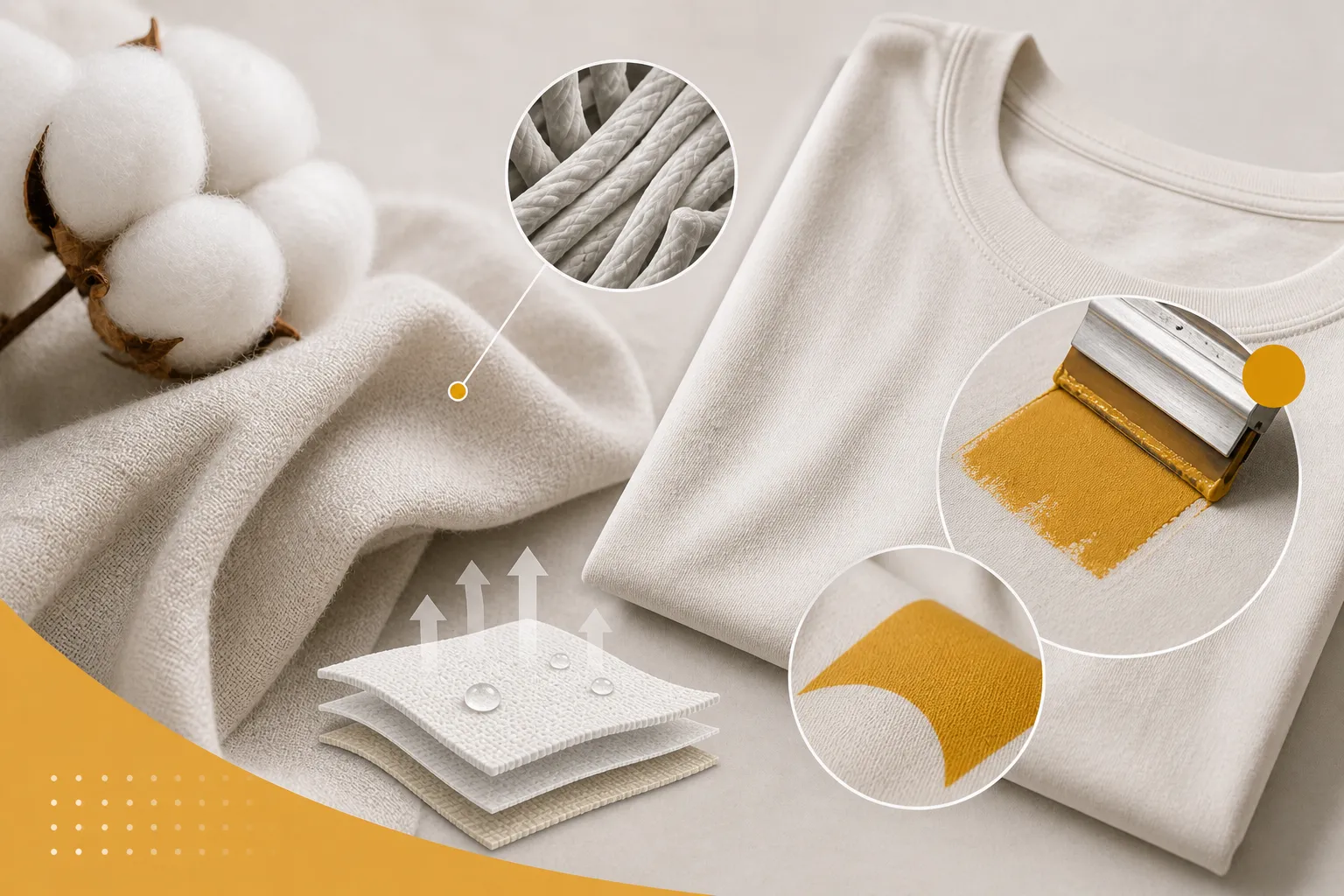
Cotton fabric is one of the most widely used materials in the custom apparel industry due to its natural fiber composition, breathability, softness, and strong compatibility with textile printing methods. In the context of custom T-shirts, cotton acts as a foundational material that directly influences comfort, print quality, durability, and garment performance.
From an entity-first perspective, cotton fabric is connected to multiple underlying components such as cellulose fiber structure, yarn spinning methods, fabric knitting techniques, GSM density, moisture absorption capacity, and surface texture. These elements collectively determine how cotton behaves during printing, washing, and long-term usage.
Because of its ability to absorb ink and maintain structural integrity, cotton fabric is widely preferred for screen printing, DTG printing, and discharge printing, making it one of the most versatile materials in apparel manufacturing.
What Is Cotton Fabric: Fiber Composition and Material Properties
Cotton is a natural cellulose-based fiber derived from cotton plants. Unlike synthetic fibers, cotton fibers have a porous and absorbent structure, allowing them to interact effectively with water-based inks and dyes.
Fiber Structure and Absorption Behavior
Cotton fibers consist of long cellulose chains that create a soft and flexible structure. This allows the fabric to:
- absorb moisture efficiently
- retain dyes and printing inks
- provide breathability during wear
This absorption capability is one of the key reasons why cotton produces high-quality printed T-shirts with vibrant colors and durability.
Softness and Skin Comfort
Cotton is naturally soft and non-irritating, making it suitable for daily wear, sensitive skin, and long-duration use.
Thermal Regulation
Cotton allows air circulation, helping regulate body temperature. This makes it ideal for hot climates and outdoor events.
Types of Cotton Used in T-Shirts
Not all cotton fabrics are the same. Different types of cotton influence quality, texture, durability, and cost.
Regular Cotton
Standard cotton fabric used for everyday T-shirts. It offers a balance between cost, comfort, and durability.
Combed Cotton
Combed cotton undergoes an additional process that removes short fibers and impurities. This results in a smoother, stronger, and softer fabric.
Ring-Spun Cotton
Ring-spun cotton is produced by twisting and thinning fibers, creating a finer, stronger, and softer yarn structure. It is commonly used in premium apparel.
Organic Cotton
Organic cotton is grown without synthetic chemicals. It is preferred for eco-friendly and sustainable apparel production.
GSM in Cotton Fabric: Thickness and Usage
GSM (grams per square meter) is a critical factor that defines the weight, thickness, and durability of cotton fabric.
130–160 GSM (Lightweight Cotton)
Used for promotional T-shirts and budget apparel, suitable for short-term use.
160–200 GSM (Medium Weight Cotton)
The most common range for everyday T-shirts, offering a balance between comfort and durability.
200–240 GSM (Heavyweight Cotton)
Used for premium apparel, oversized T-shirts, and streetwear, providing a thicker and more structured feel.
Higher GSM cotton fabrics generally offer better durability and shape retention, but may feel warmer in hot climates.
Cotton Fabric and Printing Compatibility
Cotton fabric is highly compatible with various printing methods due to its absorption and fiber structure.
Cotton + Screen Printing
Screen printing works effectively on cotton because ink adheres well to the surface, resulting in durable and vibrant prints.
Cotton + DTG Printing
DTG printing produces high-resolution prints on cotton because the fabric absorbs water-based inks efficiently.
Cotton + Discharge Printing
Discharge printing removes the dye from cotton fabric and replaces it with ink, creating soft and long-lasting prints.
Cotton + DTF Printing
DTF printing can also be used on cotton, especially for multi-colour designs and smaller order quantities.
The combination of cotton fabric and the right printing method ensures optimal visual output and longevity.
Advantages of Cotton Fabric in Custom Apparel
Cotton fabric offers multiple benefits that make it a preferred choice:
High breathability
Allows airflow, making it comfortable for long wear.
Excellent print compatibility
Absorbs inks effectively, ensuring vibrant and durable prints.
Soft texture
Comfortable against the skin.
Versatility
Suitable for multiple use cases including events, branding, and casual wear.
Natural and eco-friendly
Biodegradable and sustainable compared to synthetic fabrics.
Limitations of Cotton Fabric
Despite its advantages, cotton has certain limitations:
- Can shrink if not pre-treated
- Wrinkles more easily compared to polyester
- May absorb sweat and feel heavy in humid conditions
These limitations are important when choosing fabric for specific use cases such as sportswear.
Cotton vs Polyester: Key Differences
Cotton and polyester serve different purposes in custom apparel.
Cotton
- Soft and breathable
- Better for casual wear
- Superior print absorption
Polyester
- Durable and wrinkle-resistant
- Moisture-wicking
- Better for sportswear
Choosing between them depends on comfort vs performance requirements.
Cotton Fabric Finishing Processes
Finishing treatments improve the quality and performance of cotton fabric.
Bio-Wash Cotton
Enzyme treatment removes loose fibers, resulting in a smoother surface and reduced pilling.
Silicon Finish
Adds softness and enhances the fabric’s feel.
Pre-Shrunk Cotton
Reduces shrinkage after washing, ensuring consistent sizing.
These treatments enhance durability and user experience.
Use Cases of Cotton Fabric in Apparel
Cotton fabric is widely used across different segments:
- College T-shirts and merchandise
- Corporate branding apparel
- Event and promotional T-shirts
- Casual wear and fashion apparel
- Startup merchandise
Its versatility makes it suitable for both bulk production and individual use.
How to Choose the Right Cotton Fabric
Choosing the right cotton fabric depends on several factors:
- Purpose of the T-shirt (event, corporate, casual)
- Required durability and lifespan
- Budget constraints
- Printing method used
- Climate and usage conditions
Selecting the correct GSM and cotton type ensures optimal performance and comfort.
Common Mistakes When Choosing Cotton Fabric
- Ignoring GSM and fabric weight
- Choosing low-quality cotton for premium branding
- Not considering printing compatibility
- Overlooking shrinkage factors
Avoiding these mistakes improves overall product quality and customer satisfaction.
How TrendyDice Uses Cotton Fabric for Custom Apparel
At TrendyDice, cotton fabric is selected based on use case, print method, and customer requirements.
We use:
- high-quality cotton yarns
- optimised GSM selection
- fabric finishing processes
to ensure that every custom T-shirt delivers comfort, durability, and print clarity.
This approach helps customers achieve consistent quality across both small and bulk orders.
Frequently Asked Questions About Cotton Fabric
What is the best cotton fabric for T-shirts?
Combed or ring-spun cotton is considered the best due to its softness and durability.
What GSM cotton is best for T-shirts?
160–200 GSM is ideal for most T-shirts, while 200+ GSM is used for premium apparel.
Is cotton good for printing?
Yes, cotton is one of the best fabrics for printing because it absorbs ink effectively.
Does cotton shrink after washing?
Yes, unless pre-shrunk or treated, cotton may shrink after washing.
Is cotton better than polyester?
Cotton is better for comfort, while polyester is better for performance and durability.