
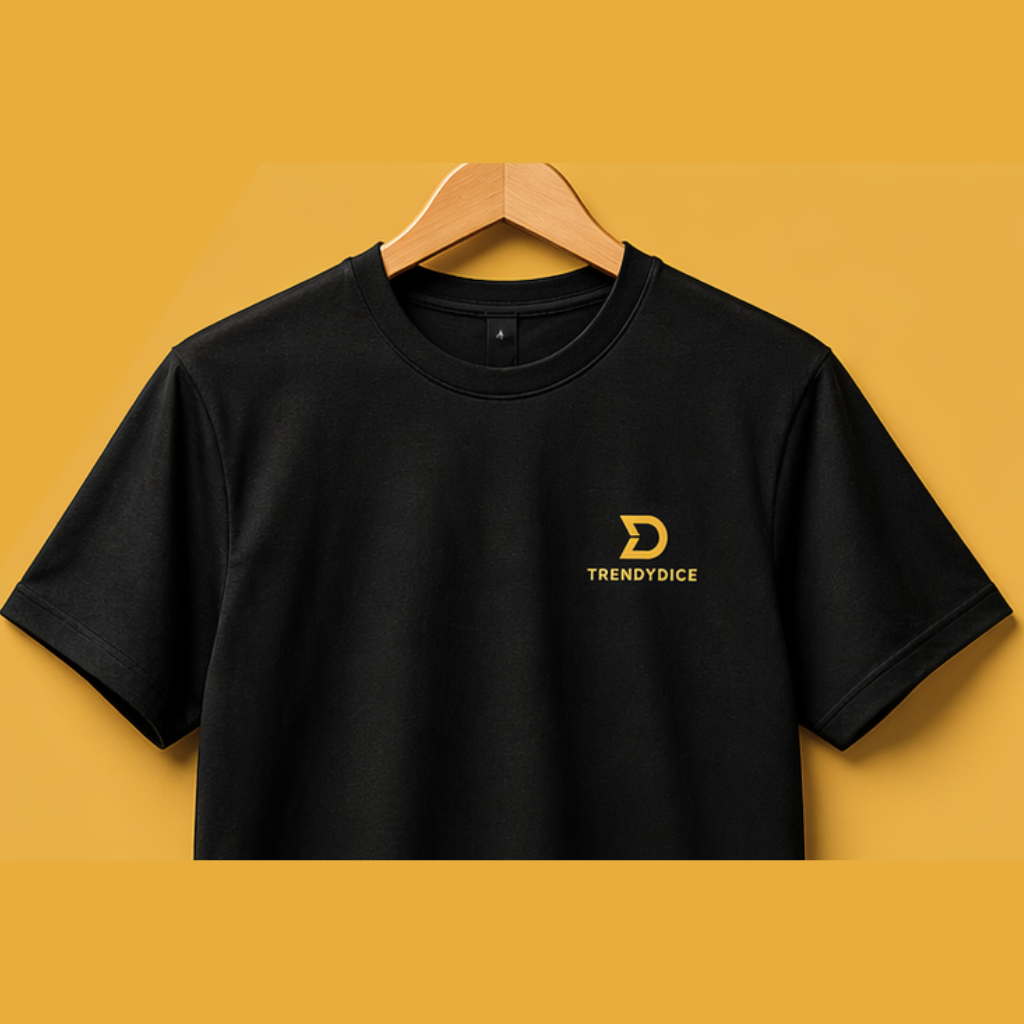
Why Logo Placement Matters on Custom T-Shirts Logo placement determines how people perceive a t-shirt design, brand identity, and visual balance. Even a strong logo can lose impact if it is placed incorrectly, scaled poorly, or printed in the wrong position. For custom apparel, logo placement affects: Brand visibility Design balance Print readability User comfort […]
hashtag.trendydice@gmail.com

How to Choose Event T-Shirts That People Actually Wear After the Event
How to Choose Event T-Shirts That People Actually Wear After the Event Most event t-shirts fail for one simple reason — they are designed for the event, not for the wearer. A high-performing event t-shirt works beyond the event itself. It becomes a reusable apparel item, increasing brand impressions over time. This depends on how […]
Cotton vs Polyester: Understanding Fabric Behavior in Custom Apparel
Choosing between cotton and polyester is one of the most important decisions in custom apparel because it directly affects comfort, durability, printing compatibility, climate performance, and user experience. These two fabrics belong to fundamentally different material categories—cotton being a natural cellulose fiber and polyester being a synthetic polymer fiber. From a semantic and entity-driven perspective, […]
Embroidery vs Printing: Choosing the Right Method for Custom Apparel
Embroidery vs Printing: Choosing the Right Method for Custom Apparel When customizing apparel, one of the most important decisions is choosing between embroidery and printing. This decision directly impacts visual appearance, durability, cost, fabric compatibility, branding perception, and long-term usability. From an entity-first perspective, embroidery and printing operate through fundamentally different mechanisms. Embroidery involves thread […]
Screen Printing vs DTF Printing: Understanding the Core Differences in Textile Printing
Screen Printing vs DTF Printing: Understanding the Core Differences in Textile Printing In the custom apparel industry, choosing between screen printing and DTF (Direct-to-Film) printing is not just a technical decision—it directly impacts print durability, cost efficiency, design flexibility, production scalability, and final garment quality. From an entity-first perspective, both methods operate through fundamentally different […]
Bio-Wash Fabric for Custom Apparel: Enzyme Treatment, Surface Refinement, and Performance Enhancement
Bio-wash fabric refers to textiles that undergo an enzyme-based finishing process designed to improve surface smoothness, softness, color clarity, and long-term durability. In the custom apparel industry, bio-washing is widely applied to cotton fabrics to enhance both aesthetic quality and user comfort, especially for premium T-shirts and branded merchandise. From an entity-first perspective, bio-wash fabric […]
240 GSM Fabric for T-Shirts: Thickness, Structure, and Premium Apparel Performance
240 GSM fabric represents a high-density textile category used in custom apparel where durability, structure, and premium feel are essential. GSM (grams per square meter) is a measurement of fabric weight and density, and at 240 GSM, the fabric is considered heavyweight, making it suitable for oversized T-shirts, streetwear, premium merchandise, and long-lasting apparel. From […]
Polyester Fabric for Custom Apparel: Fiber Engineering, Performance Behavior, and Printing Compatibility
Polyester fabric is a synthetic textile material engineered for durability, moisture management, and performance-oriented apparel. In the custom apparel ecosystem, polyester plays a critical role in applications where sweat control, lightweight comfort, and long-term shape retention are required. Unlike natural fibers such as cotton, polyester is derived from polyethylene terephthalate (PET) polymers, which are processed […]
Cotton Fabric for Custom Apparel: Fiber Structure, Performance, and Printing Behavior
Cotton fabric is one of the most widely used materials in the custom apparel industry due to its natural fiber composition, breathability, softness, and strong compatibility with textile printing methods. In the context of custom T-shirts, cotton acts as a foundational material that directly influences comfort, print quality, durability, and garment performance. From an entity-first […]
Embroidery for Custom Apparel: Stitch-Based Branding, Material Behavior, and Use Cases
Embroidery is a textile decoration method where designs are created using thread stitched directly into fabric through automated embroidery machines. Unlike printing techniques that apply ink onto the surface, embroidery operates through thread integration within the fabric structure, creating a three-dimensional, durable, and premium finish. From an entity-first perspective, embroidery connects multiple technical and material […]